Behind the Lens: Traveling the World With My Camera
Mexico
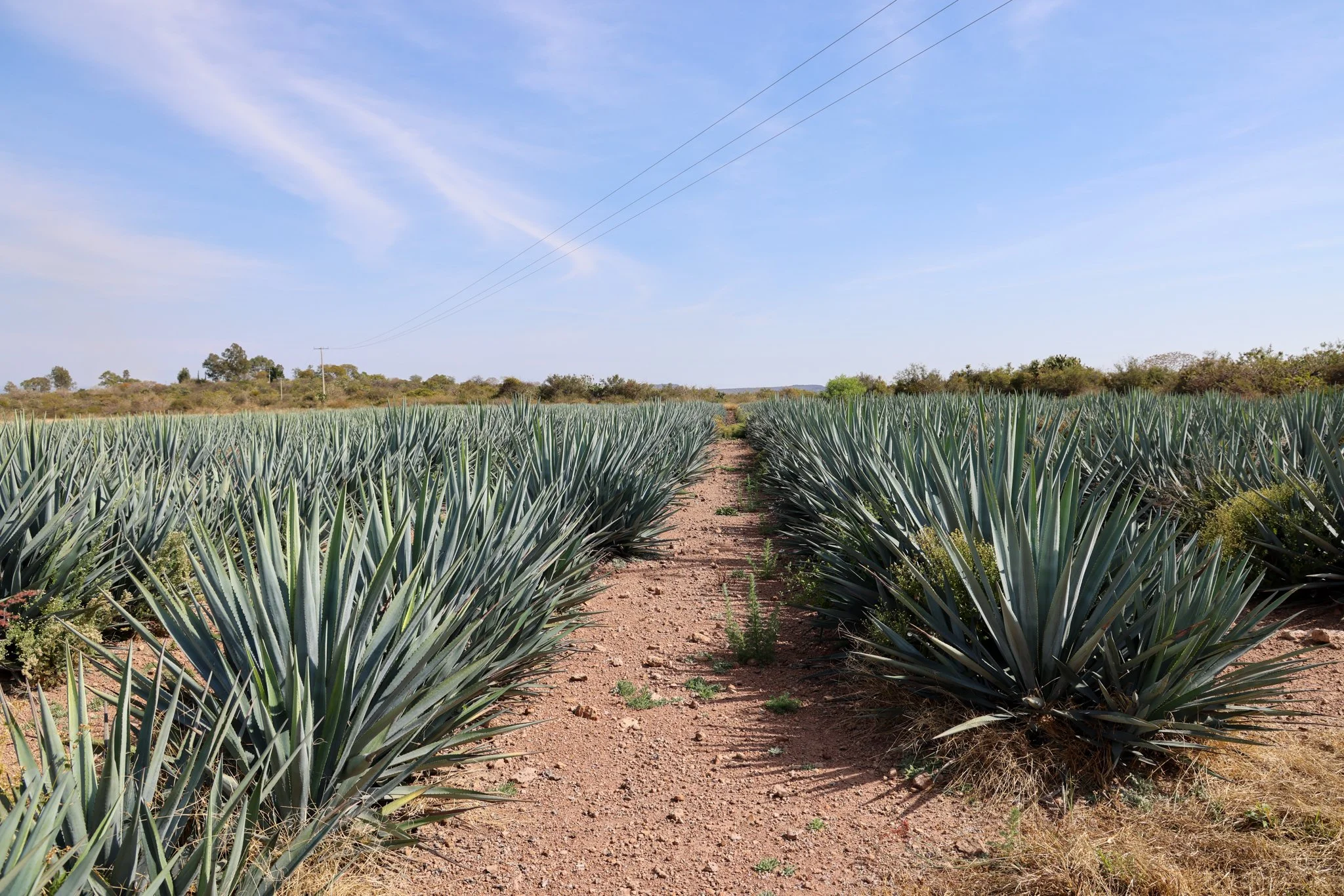
Mexico is different for me. It’s not just a place I visit—it’s part of who I am.
I have family in Mexico, and being Mexican myself, there’s a connection I feel the moment I arrive. The environment, the people, the pace of life—it all feels familiar in a way that’s hard to explain unless you’ve lived it.
In my small town of San Isidro, León, it feels like time never really moved forward. Not in a bad way—but in a peaceful one. The streets, the homes, the routines of everyday life all carry a sense of simplicity that’s rare to find elsewhere. As a photographer, that stillness is powerful. There’s no rush, no pressure—just moments happening naturally.
Photographing Mexico feels honest. Colors are stronger. Light hits differently. Life feels raw and real. It’s a place where you don’t need to stage a scene—everything already has character.
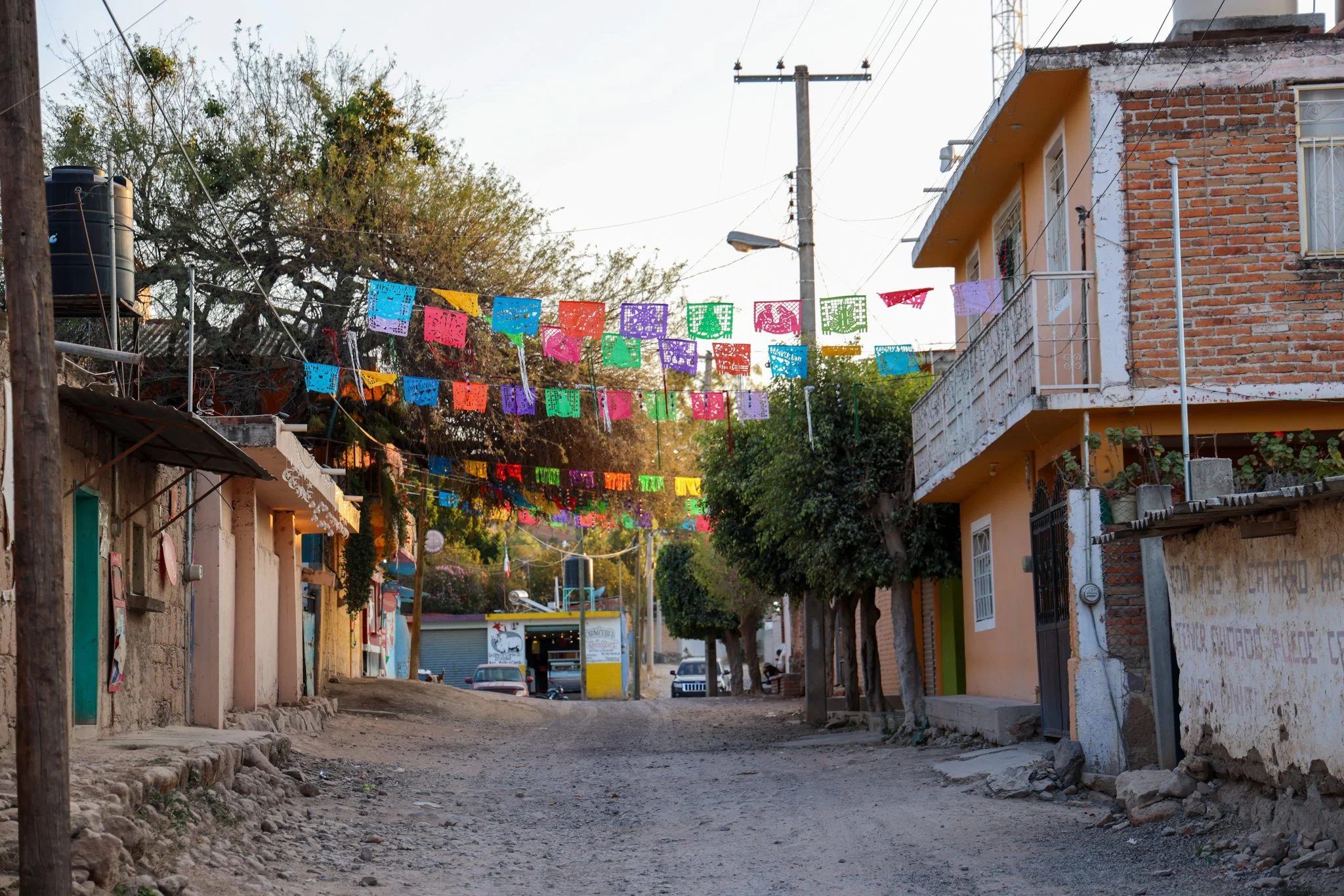
At the same time, I can’t ignore the reality of the country. I do fear Mexico because of cartel violence, and I find that incredibly sad. It’s heartbreaking that a country with so much beauty, culture, and potential is held back by violence that affects innocent people. The contrast between how amazing the country looks and what’s happening behind the scenes is hard to process.
Still, Mexico continues to inspire me. It reminds me why photography matters—to preserve moments, tell stories, and show the beauty that exists even in complicated places. Every time I visit, I’m reminded that Mexico is more than headlines. It’s family, history, culture, and a way of life that deserves to be seen with respect and honesty.
Europe
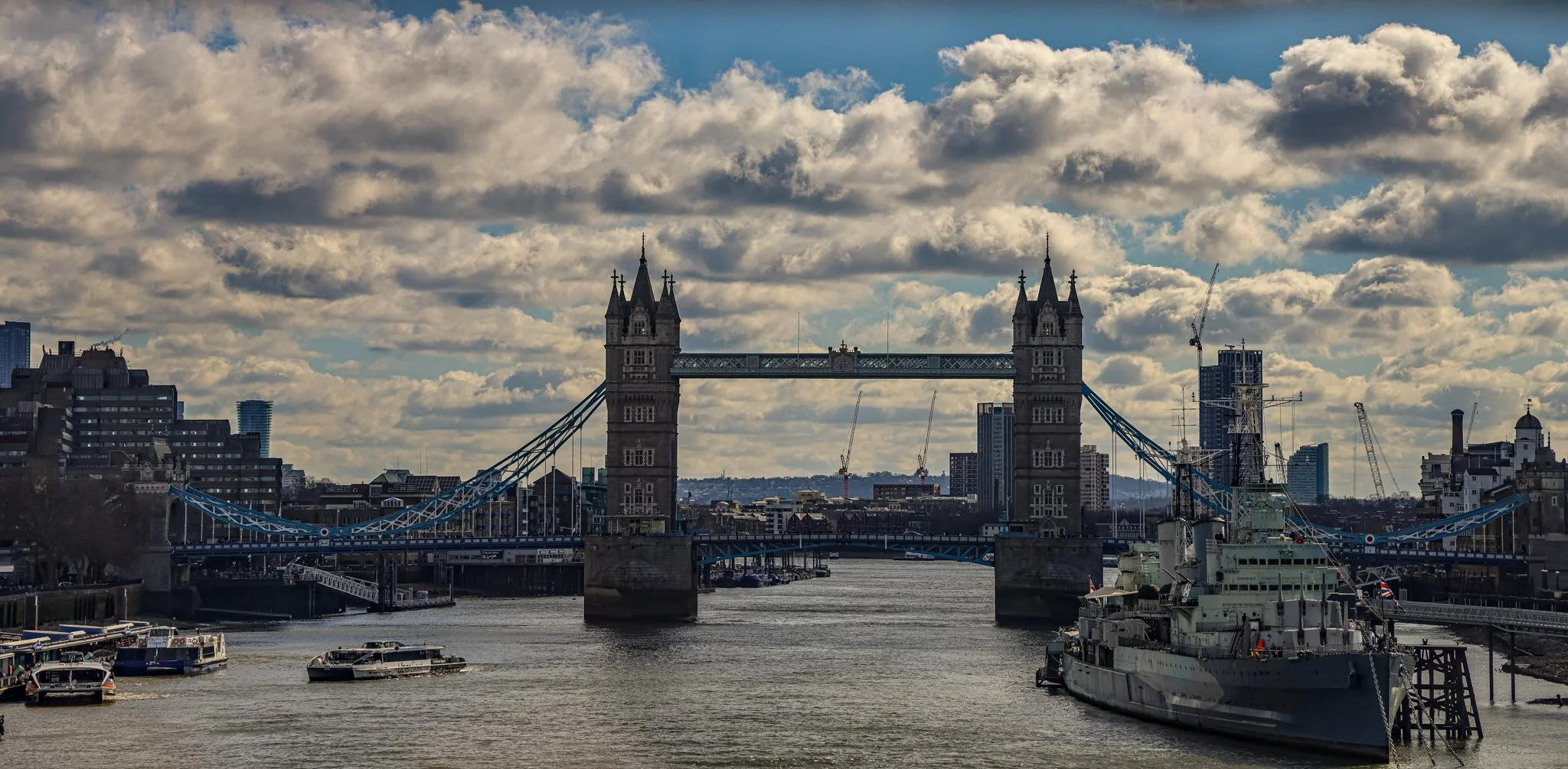
Europe left a strong first impression on me. I spent two weeks traveling through the United Kingdom, France, Germany, Netherlands, Switzerland, and Italy, and from the beginning, the trip felt both new and strangely familiar.
The UK felt closest to home. It reminded me of the United States, but with a more refined pace—more technologically advanced, noticeably safer, and calmer overall. What stood out most was how people carried themselves. There was a sense of awareness and courtesy that felt refreshing. The architecture told its own story as well. Many buildings felt vintage yet beautifully preserved, making it easy to see where the U.S. drew much of its inspiration. From busy city streets to everyday routines, everything felt intentional and well maintained.
France carried that same sense of beauty, but with more contrast. The charm is undeniable, especially in Paris, yet it’s paired with visible imperfections. Cigarettes scattered across sidewalks, a few areas that felt rough or uneasy, and moments that broke the romantic image people often expect. Still, the warmth of the people stood out. One of the most memorable experiences was a boat tour along the river near the Eiffel Tower, where the guides were welcoming and genuinely passionate about sharing the city. Experiences like that revealed a more human side of France beyond the surface.
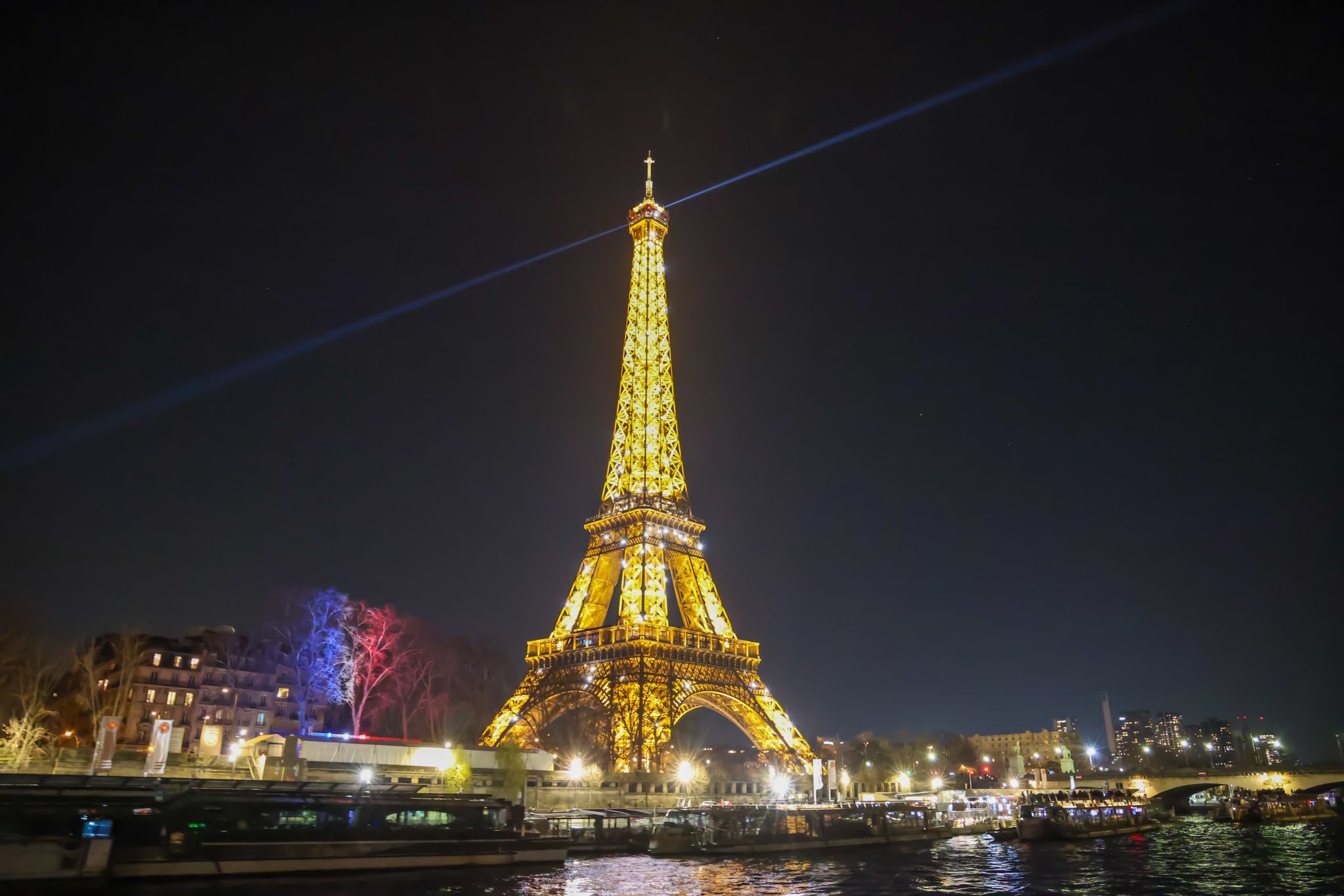
As a photographer, Europe felt layered. History, modern life, and culture exist in the same frame. The streets, buildings, and everyday interactions felt rich with stories, making it impossible not to slow down and observe. Europe doesn’t need to be staged—it already feels lived in, shaped by centuries of life.
This part of the journey showed me how deeply atmosphere and history influence the way a place feels, and how photography becomes a way to quietly document that connection.
Germany was a short stop, but it left a strong impression on me. Even in limited time, it felt welcoming. One thing that stood out immediately was the houses—many painted in bright, vibrant colors. It reminded me of Mexico, because not many countries, from what I’ve seen, embrace color in that way. The contrast was interesting though, because the weather was cloudy and rainy while I was there, giving everything a softer, moodier feel.
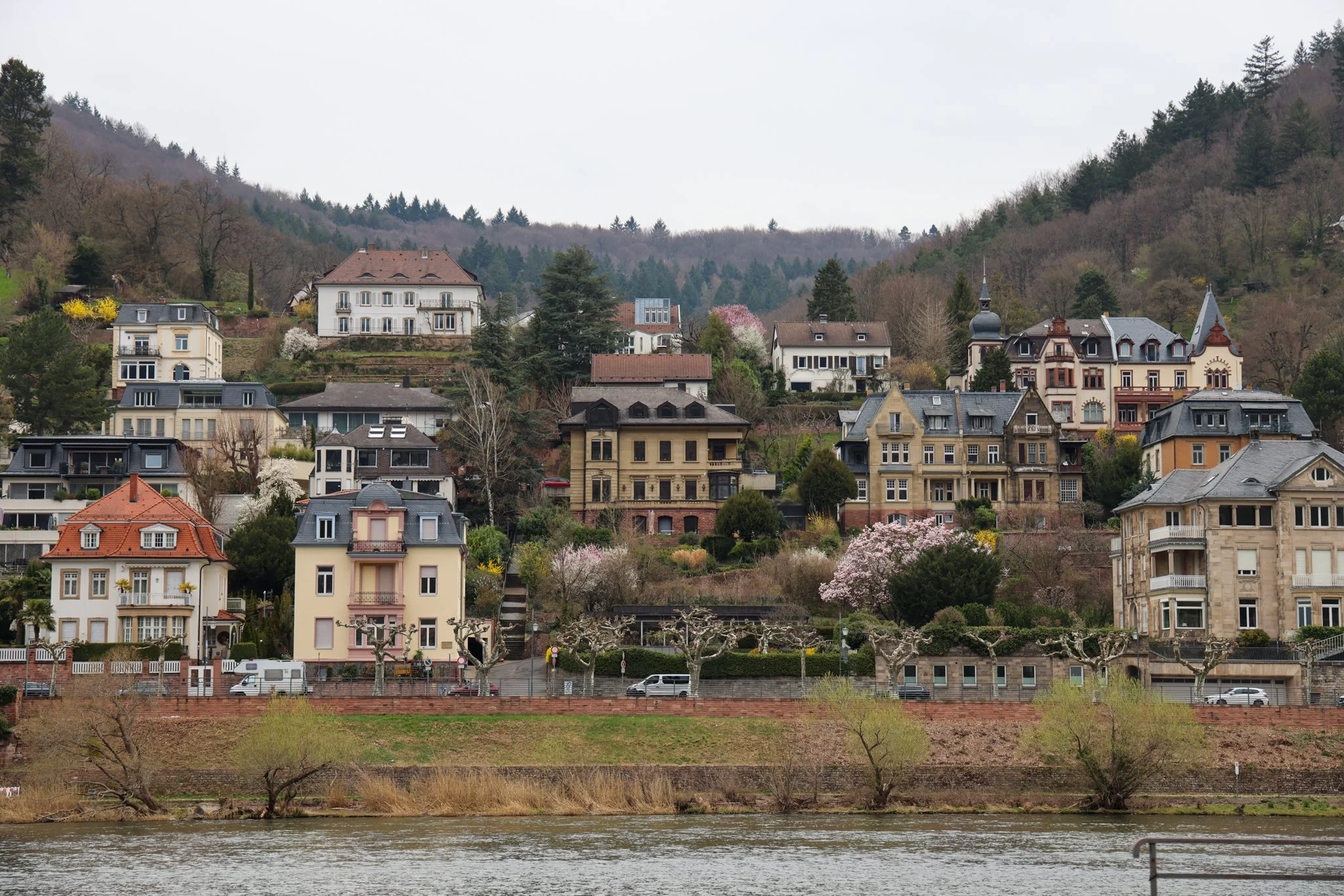
Germany has always fascinated me, mostly because of its history. Growing up, a lot of my school projects focused on World War II, so finally being there felt surreal. Seeing the land in person added depth to everything I had only read about before. I also noticed castles scattered across the landscape, often sitting on hills or overlooking towns. They added a sense of scale and perspective—reminders of how much history still physically exists there.
The Netherlands, especially Amsterdam, felt completely different. It was sunny, lively, and immediately more relaxed. The city felt friendly, and the food was genuinely amazing. One of the funniest and most memorable things to me was how bike-focused everything was. Seeing parking garages full of bicycles instead of cars was something I had never experienced before—it felt like a different way of living altogether.
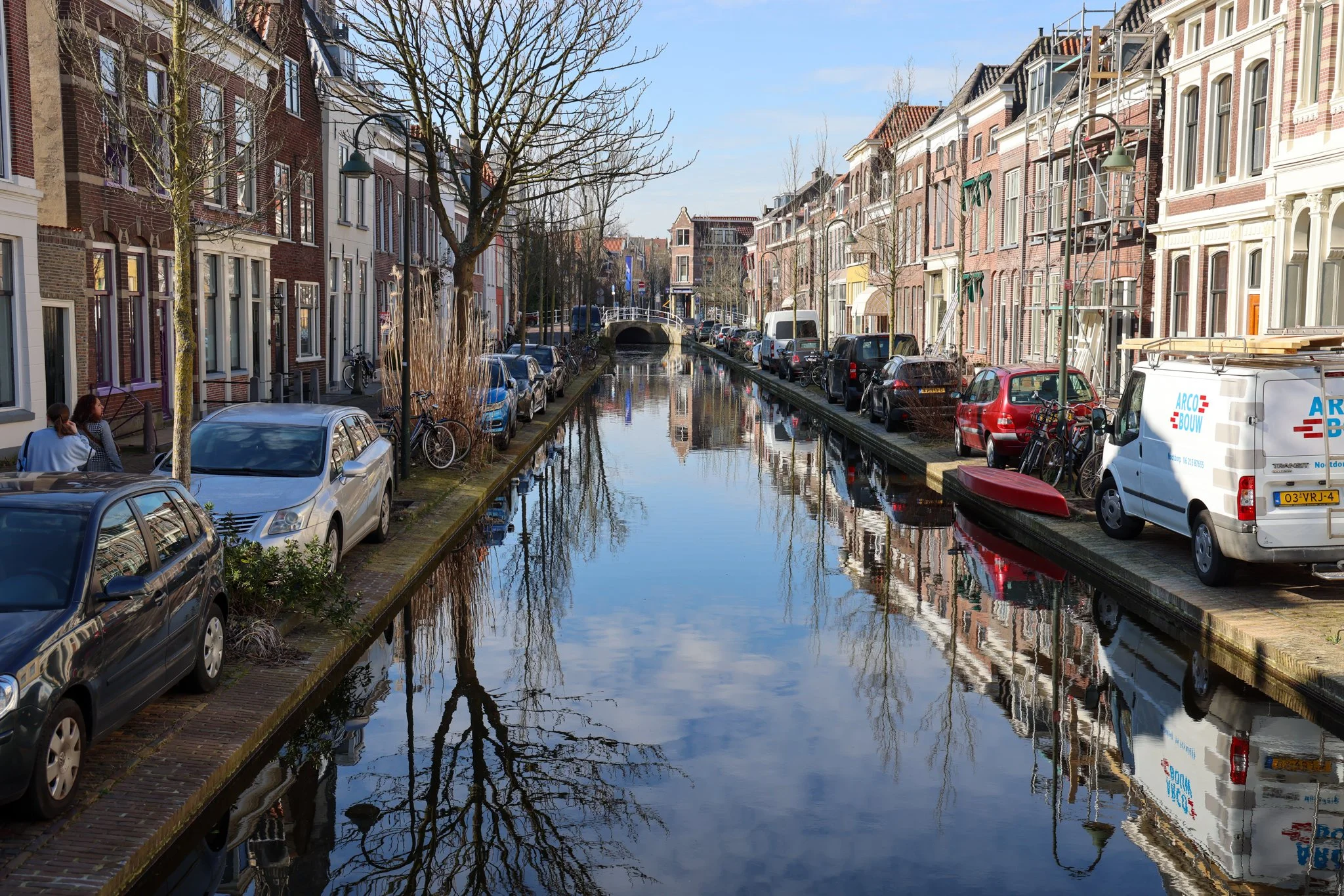
Amsterdam was also special for more personal reasons. I had an incredible dinner there and met an amazing friend during the trip, which made the experience even more meaningful. Interestingly, I took fewer photos in Amsterdam. Not because it wasn’t beautiful—but because I felt like I needed to slow down and enjoy the moment instead of constantly shooting. Sometimes the best memories aren’t always behind the lens.
Switzerland was one of the most visually impressive parts of the trip. I went up into the mountains and got some of my favorite photos from the entire journey. What surprised me most was the temperature shift—it was actually warmer at the top of the mountain, even with snow, compared to the town below. The contrast between the quiet, open mountain views and the small towns underneath made the whole place feel unreal.
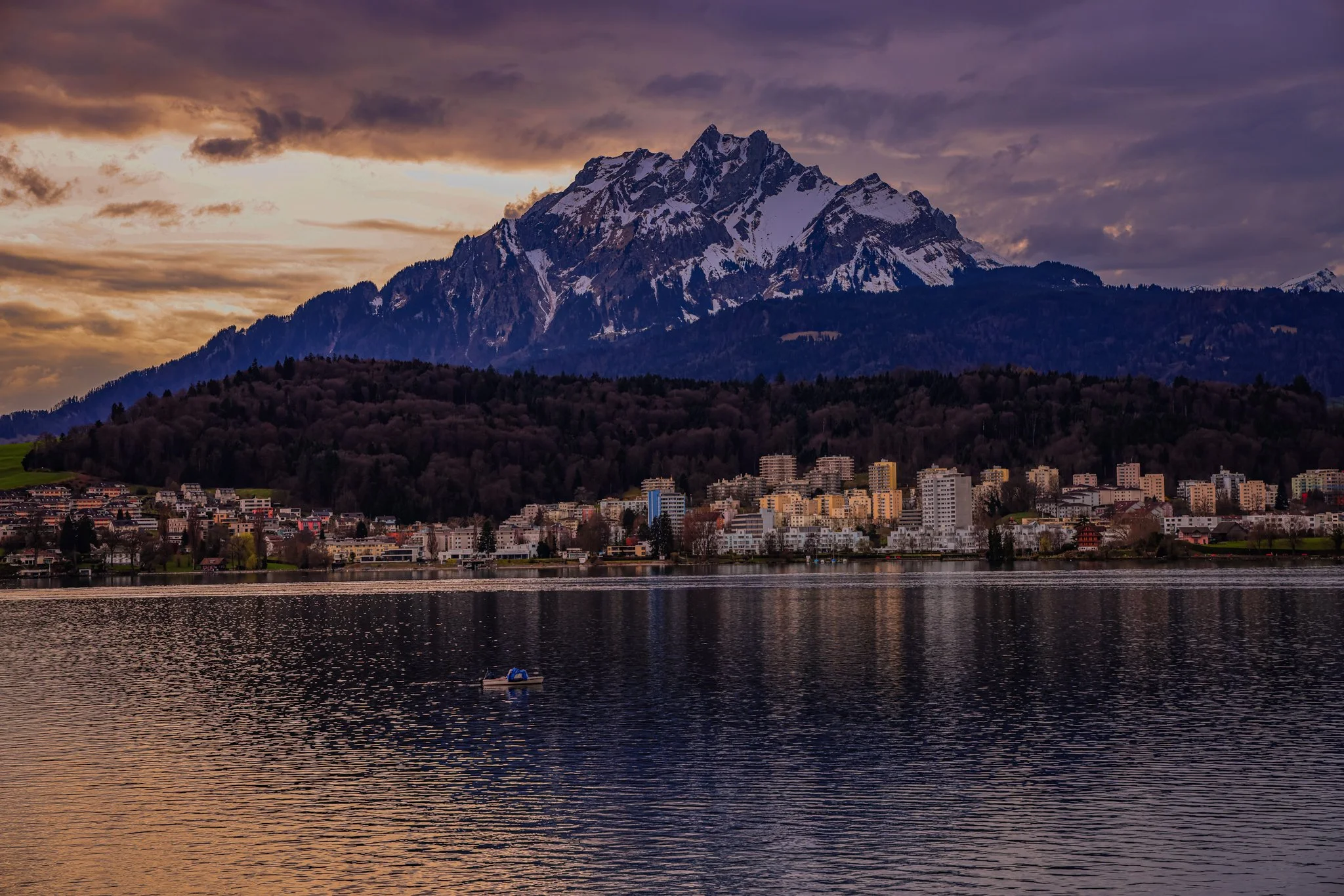
I also learned that Switzerland is well known for its chocolate, which makes sense after being there. Everything, however, was noticeably more expensive compared to the rest of Europe. While I enjoyed my time there, I didn’t always know where to go or what to explore beyond the main areas. It felt more like a place to experience than to move through quickly.
Italy was a different experience entirely. I stayed there longer than anywhere else on the trip, which gave me more time to really see the country—but also more time to feel its downsides. In some ways, Italy reminded me of Mexico. It felt less technologically advanced, and in certain areas the air even had a noticeable smell from traffic and older vehicles. A lot of places also felt like they were stuck somewhere between the 80s and early 2000s in terms of infrastructure and upkeep.
It wasn’t my favorite hotel experience either, which affected how I saw parts of the stay. That said, Italy has an incredible amount of history and world-famous locations that make it a photographer’s dream. Places like Rome, the Vatican City, and Venice are visually unmatched—but they also come with a downside.
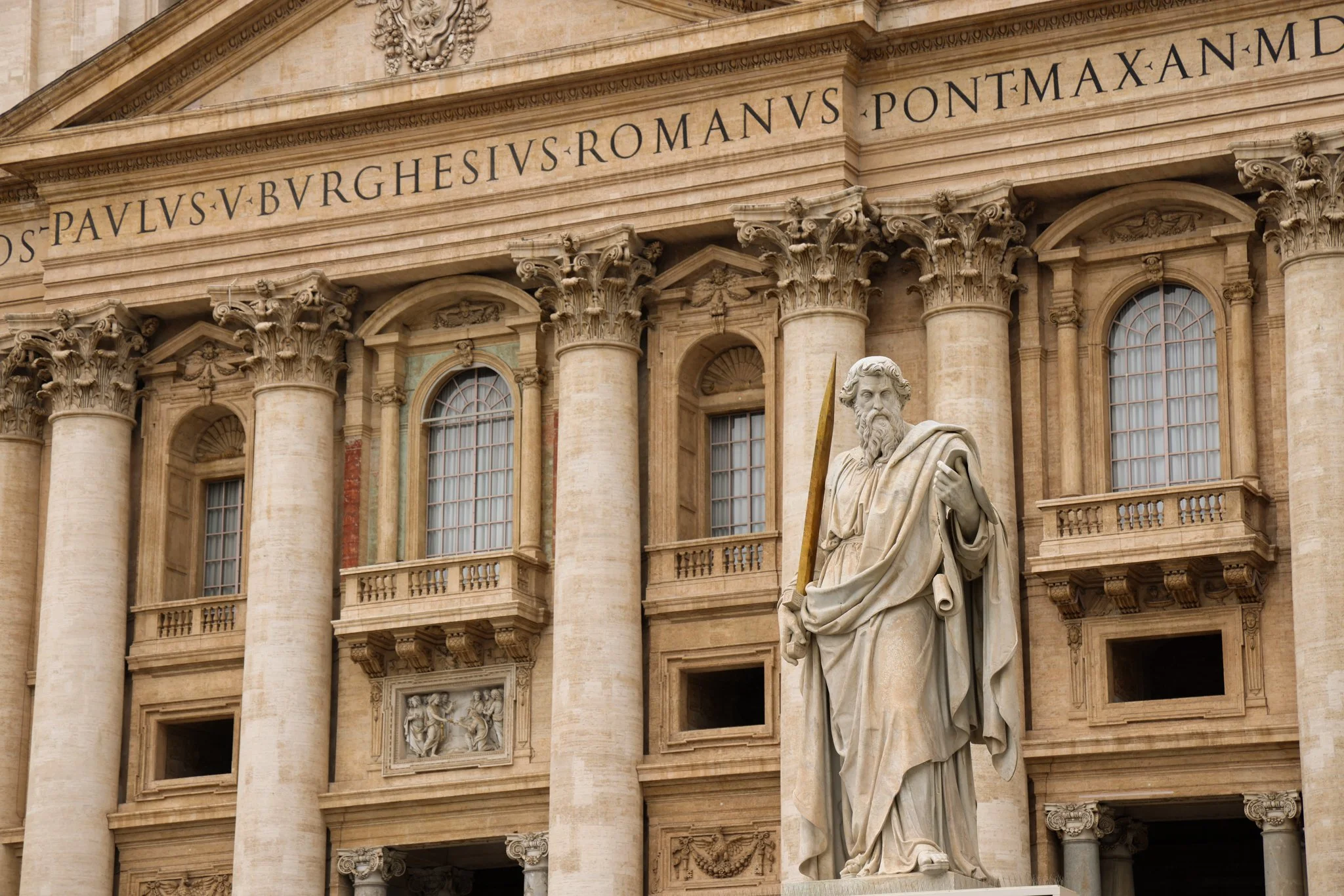
By the end of my time there, the crowds became overwhelming. There were moments where it felt too busy to really enjoy the country or take the kind of photos I wanted. In places like Rome, the Vatican, and Venice, it was difficult to slow down and actually experience the environment without constantly navigating through people. That made it harder to capture the ideal shots and fully appreciate the locations the way I wanted to.
Still, Italy left me with a strong impression. It’s a country filled with history, but also one that forces you to deal with the reality of tourism at its peak. For photography, it’s both a blessing and a challenge—every corner is beautiful, but not always accessible in the way you imagine.
Japan
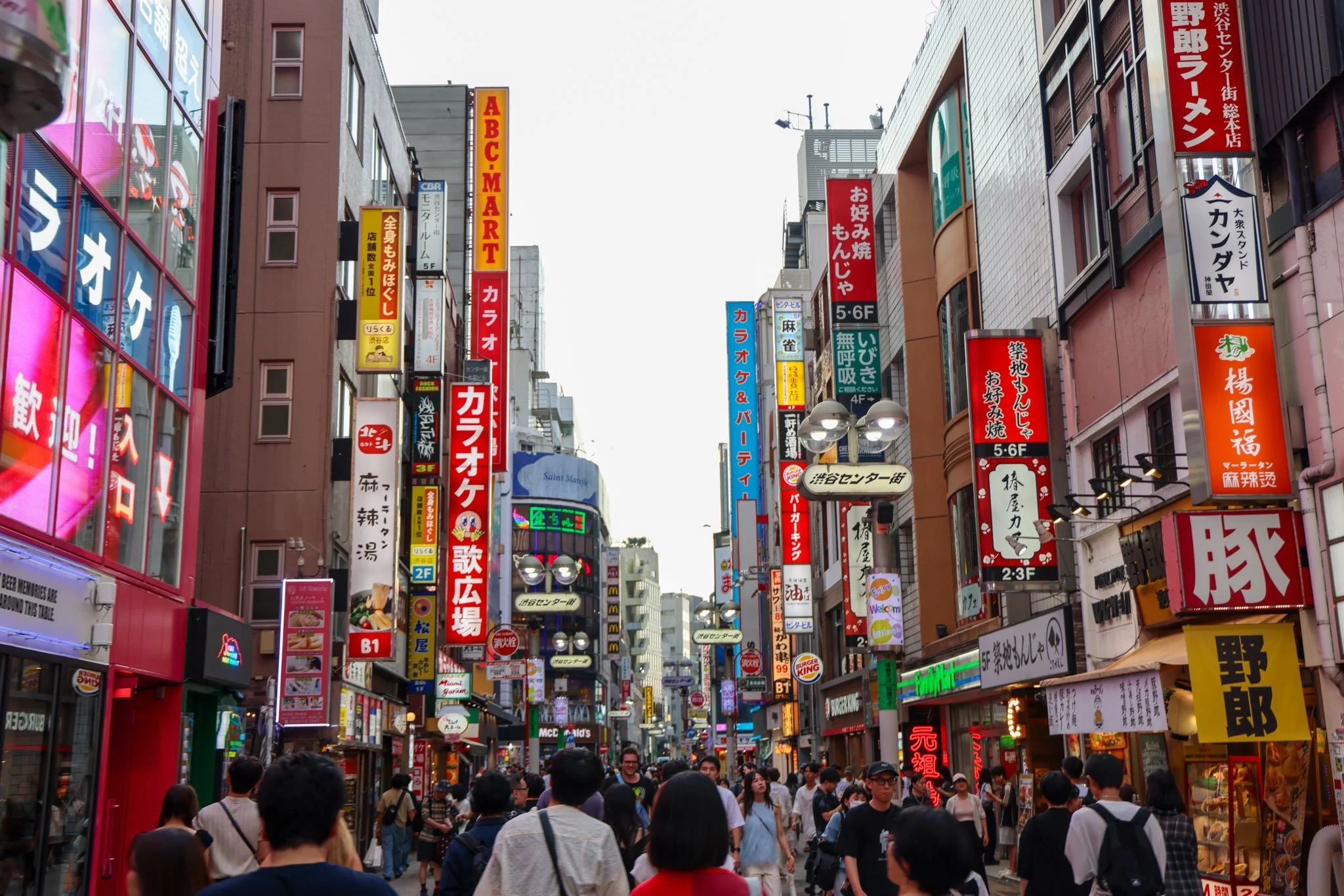
Japan is where everything I loved about Europe feels like it’s been refined into one country.
It’s a place I’ve wanted to visit since I was 16, and it somehow still exceeded my expectations. Traveling through Japan, from Tokyo to Kamakura, you can immediately feel how quickly the environment changes. Tokyo is dense, fast, and modern, while Kamakura slows everything down with nature, temples, and a more traditional coastal feel. That contrast alone made the trip feel like multiple worlds in one.
I was able to take a lot of photos there, but still less than I wanted. At some point during the second week, I shifted more into just experiencing it instead of constantly trying to capture everything. That balance ended up making the trip more meaningful, even if I came back with fewer images.
One thing that stood out immediately was how much is packed into a single street. In some areas, there are so many shops, restaurants, and small businesses that it feels endless—like every building has multiple layers of life happening inside it. The food was consistently amazing everywhere I went, from convenience stores to small local restaurants.
Fashion also caught my attention. There’s a wide range of styles, but I noticed a lot of relaxed and oversized clothing, mixed with people who still carry a strong sense of personal expression. More than anything, people seemed confident in how they present themselves, even in everyday situations.
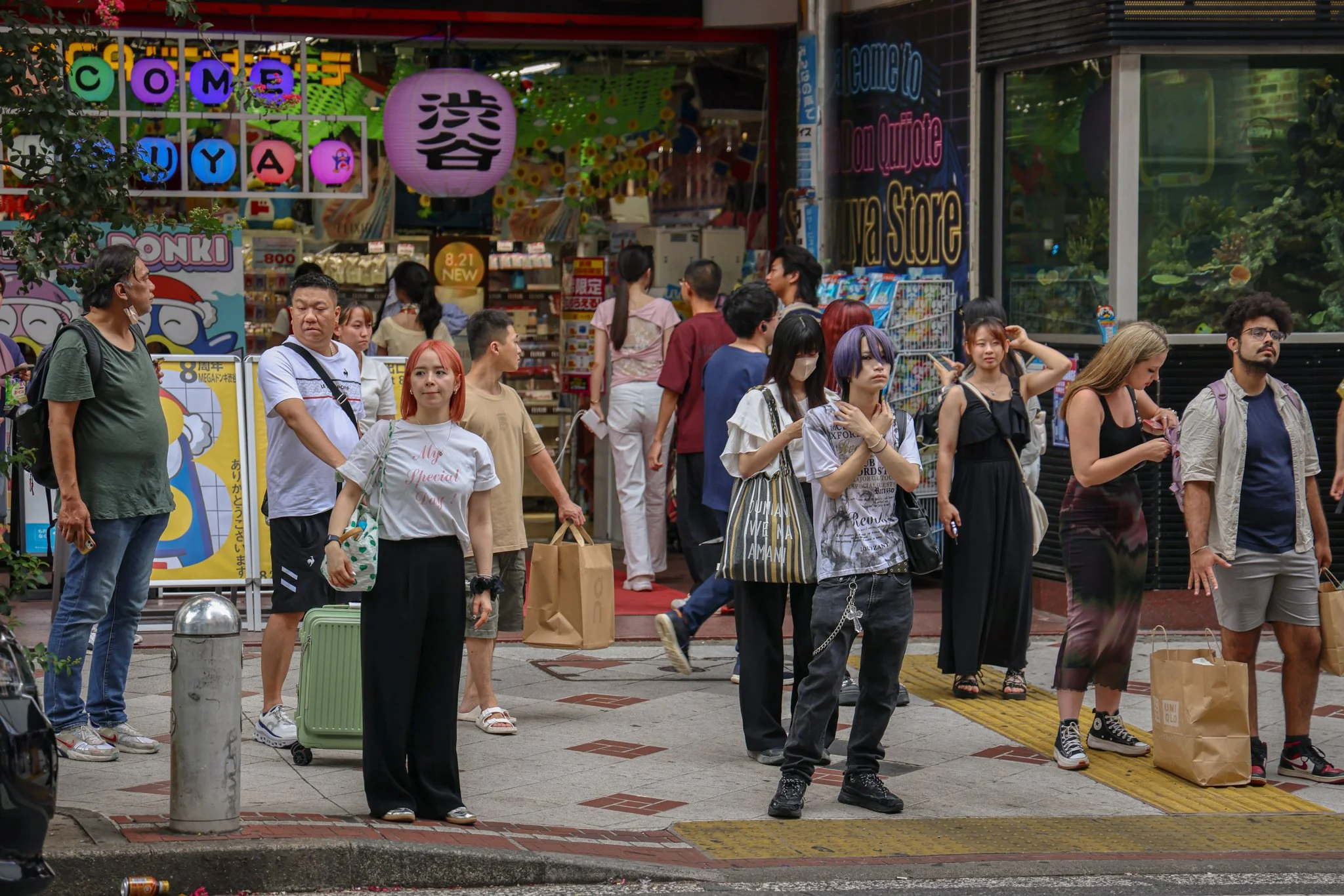
Japan also feels very intentional about culture and daily behavior. I noticed small but important social habits—like people being mindful about not eating while walking in public, instead finding a place to sit, or the general expectation to keep shared spaces clean since trash cans are not always available. It’s not about strict rules, but more about mutual respect in public spaces.
At the same time, Japan is very modern in its own way. Pop culture—especially anime—has become a huge part of everyday life and is fully embraced in public spaces. You see it on billboards, clothing, products, restaurants, and stores without hesitation. It’s interesting how something that started locally has grown into a global influence, while still being deeply rooted in Japan itself.
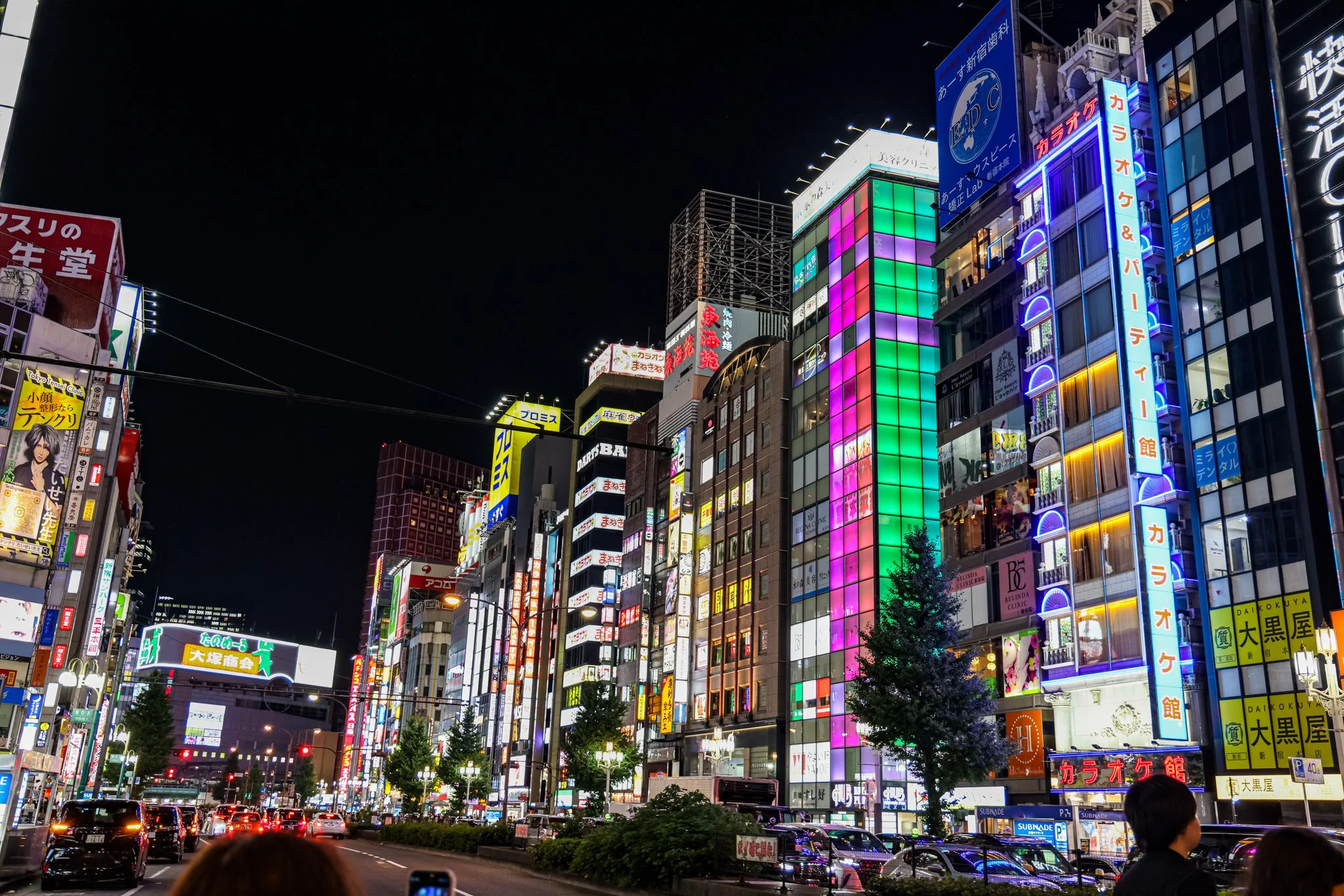
What surprised me most was the atmosphere at night. Cities like Tokyo become completely different after dark—bright, colorful, and full of energy in a way I haven’t seen anywhere else. The neon lights, movement, and sound create a feeling that is hard to compare to other major cities.
At the same time, Japan is also facing long-term challenges like a declining birth rate and an aging population, which is something you can sense more in discussions about the country’s future rather than in the day-to-day experience. Despite that, there’s a clear effort to preserve culture, identity, and tradition while still evolving with the modern world.
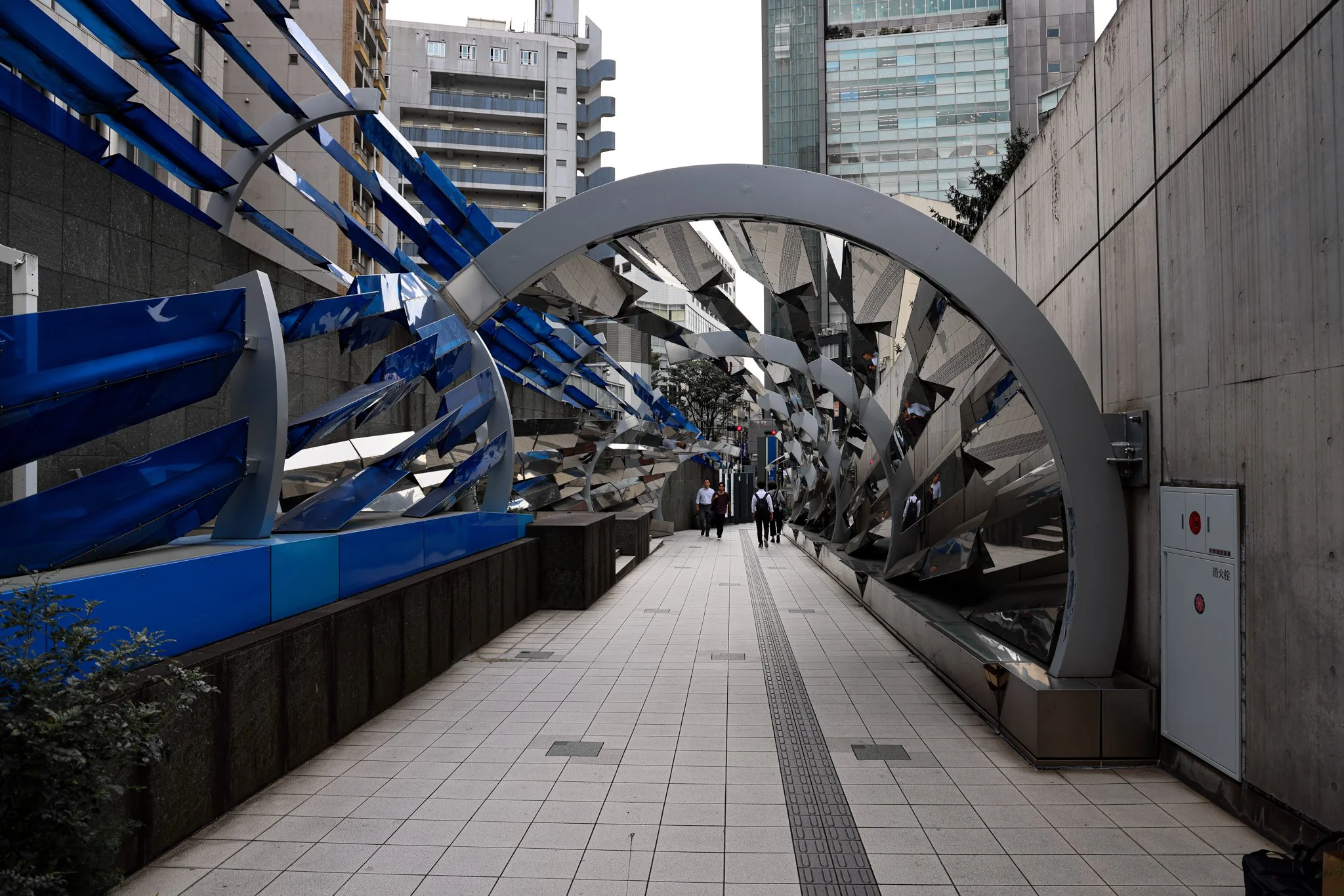
Overall, Japan felt balanced—between tradition and innovation, quiet moments and city intensity, structure and creativity.
And I already know I want to go back in 2026 and experience even more of it, this time with a different approach to how I shoot and how I take it all in.